Does it add value?
We looked for an official or independent figure on how much a garden room adds to a house in England. We did not find one we trust. Online claims vary, and many come from people who sell garden rooms or mortgages.
What we can say is practical:
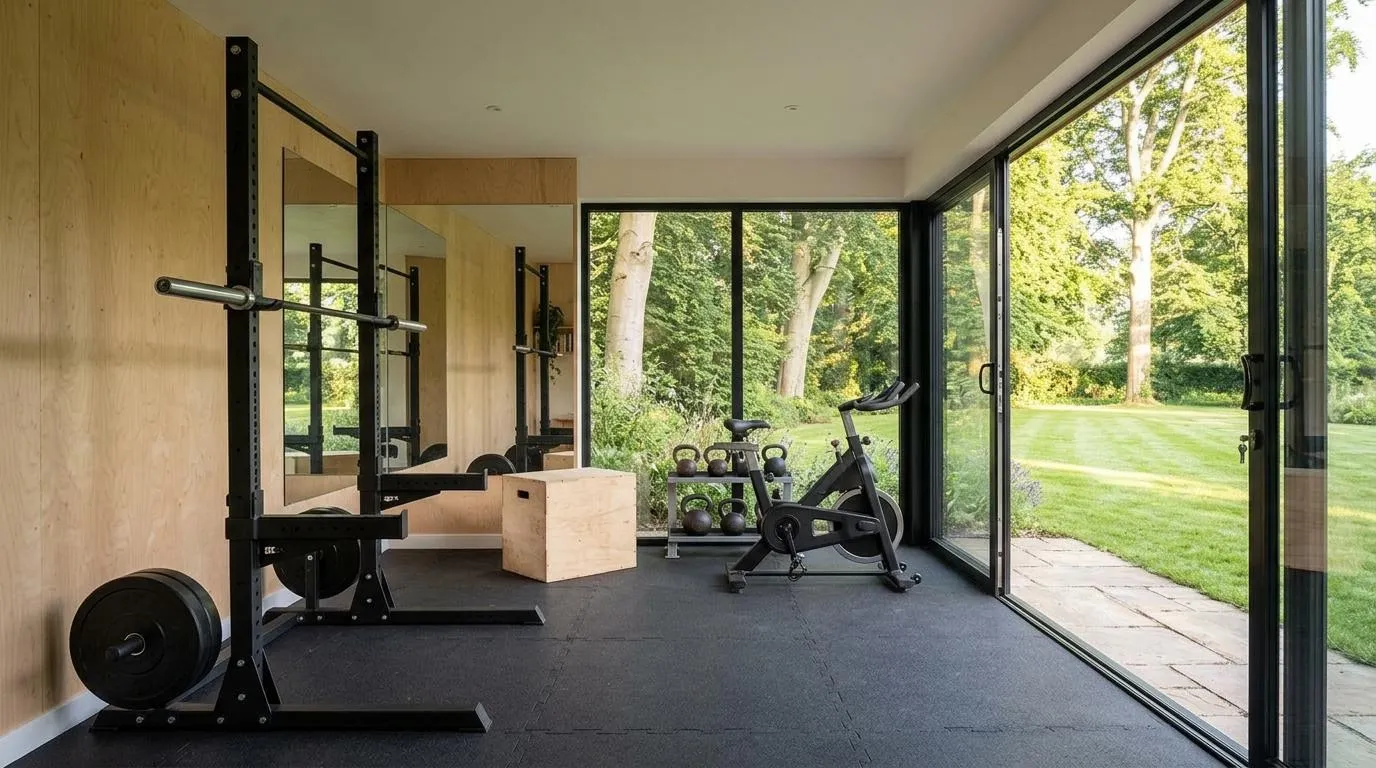
- A room that buyers can use as an office, gym or studio is a selling point for some buyers.
- Value depends on the street, the house, the plot and the quality of the build.
- A poor build or a missing paper trail can put buyers off.
The best check is local. Ask two or three estate agents in your town what buyers ask for. Agents in Berkhamsted, Harpenden or Beaconsfield will tell you what sells there.
The paperwork buyers ask for
A buyer's solicitor may ask how the room was approved. Keep a folder.
- Plans and heights.
- Planning permission, or a lawful development certificate if you had one. See our guide.
- Building regulations papers, if the room needed them. See building regulations for garden rooms.
- The electrical certificate. See garden room electrics.
- The builder's guarantee and insurance details. See how to choose a builder.
Council Tax
The Valuation Office Agency (VOA) explains it on its blog. It does not change the Council Tax band of an improved property straight away. Instead it adds an improvement indicator for major structural work, such as an extension. The band is reviewed when the property is next sold, and any change usually affects the new owners. Redecorating does not count.
The blog does not mention outbuildings. It does say some reviews happen without a sale, such as when an annexe is created. So a garden annexe deserves a call to your council before you build. See garden annexe rules.
If you are not sure whether your room counts as an improvement, ask the VOA or your council. We cannot say.
Business rates
Council Tax is for homes. Business rates are for non-domestic use. GOV.UK says you will probably have to pay business rates if you use a building or part of a building for non-domestic purposes.
For a home worker, the GOV.UK page on working at home gives the usual answer.
- Usually no business rates if you use a small part of your home for your business, for example a bedroom as an office, or you sell goods by post.
- You may need business rates as well as Council Tax if your property is part business and part domestic, you sell goods or services to visitors, you employ other people at the property, or you have made changes to your home for your business, such as a garage converted to a hairdresser's.
The page does not mention garden buildings. A garden office where only you work is likely to be treated differently from a room where clients visit and staff work. Ask the Valuation Office about your own case before you start trading from it. This is not tax advice.
Ways to protect the value
- Build to the rules. A room that was never lawful is a problem for a buyer.
- Use a builder with a written guarantee.
- Choose materials that age well. See garden room cladding.
- Make it usable all year. See garden room insulation.
To see what a room could cost, use the garden room cost calculator and read how a price is built. Local pages include Amersham and St Albans, and room types such as garden studios and garden gyms.
Common mistakes
- Trusting a headline percentage. We found no independent figure, so we give none.
- Not telling your insurer. Tell them about the new building and its contents.
- Registering a business at the address without checking rates. Ask the Valuation Office first.
- Losing the paperwork. A buyer may ask for it years later.
- Over-building for the street. A room that costs more than local buyers care about will not pay back in a sale.
If value matters to you, keep the room flexible: an office today, a studio or gym for the next owner.
Build once, with the paperwork
Builders we match you with give written quotes with the paperwork listed. Up to 3 quote. It is free for homeowners.